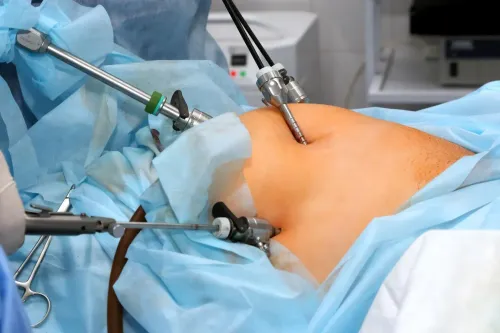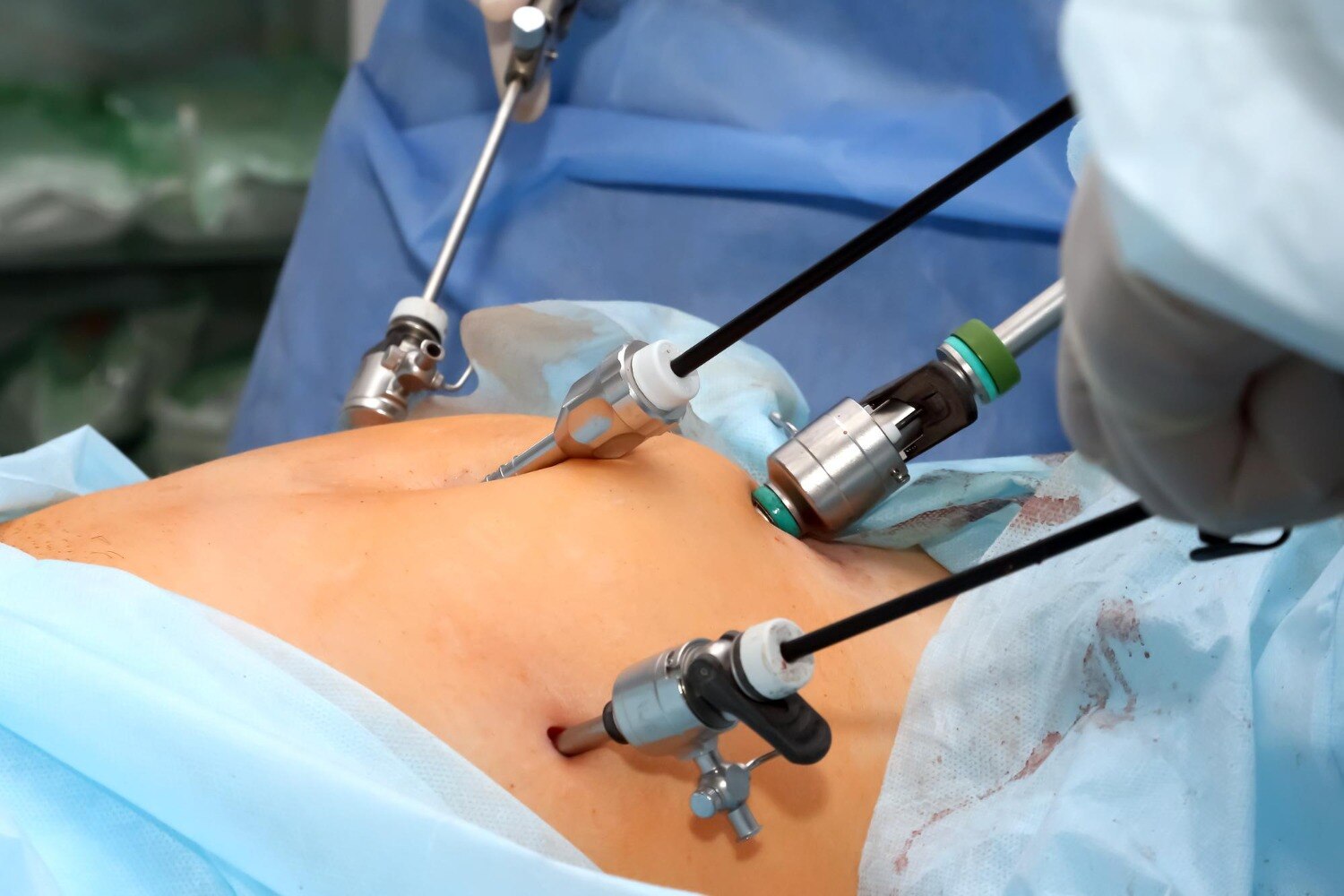
“Gastric surgery” can mean metabolic surgery for obesity, or treatment for reflux, ulcers, hiatal hernia, tumours, or gallbladder-related symptoms. You need to identify the right type of care, understand how procedures differ, and know which surgeon, hospital, tests, preparation, and follow-up arrangements to assess before deciding.
Key takeaways
- Confirm whether obesity or another gastric condition needs surgery.
- Compare sleeve gastrectomy, gastric bypass, medication, and lifestyle treatment.
- Bring your medical records, medicines, weight history, and previous test reports.
- Plan for dietary changes, follow-up visits, supplements, and long-term monitoring.
Is your gastric problem a bariatric question or another surgical condition?
“Gastric surgery” does not automatically mean weight-loss surgery. Reflux, peptic ulcer disease, hiatal hernia, gastric tumours, gallbladder disease and other abdominal conditions need different tests and operations. A bariatric surgeon Pune patients consults should first establish whether obesity and metabolic disease are the actual surgical problem.
The 2022 ASMBS/IFSO guidance recommends metabolic surgery for adults with BMI 35 or higher, regardless of obesity-related disease. It says to consider surgery at BMI 30–34.9 when metabolic disease persists despite nonsurgical treatment. BMI is not a stand-alone verdict: interpret it with ethnicity, disease severity, surgical risk and previous treatment.
A bariatric surgery consultation Pune patients arrange should examine:
- Type 2 diabetes, sleep apnoea, hypertension, fatty liver disease and other obesity-related complications.
- Previous weight-loss attempts, eating patterns, activity, binge eating and access to nutrition or behavioural support.
- Mental-health conditions, alcohol use and tobacco use, because untreated problems can undermine recovery and long-term safety.
- Previous abdominal operations, current medicines and the ability to attend lifelong appointments, take supplements and complete blood tests.
- Readiness for sustained dietary and activity changes rather than expectation of a quick cure.
Weight-loss surgery is not guaranteed to prevent regain or inadequate loss. Before considering revision, evaluate behaviour, stomach or intestinal anatomy, medications and metabolic factors. That review may identify a treatable cause without another operation.
How sleeve gastrectomy, gastric bypass, and nonsurgical treatment differ
A bariatric surgeon in Pune discussing gastric surgery care should match the operation to your reflux, diabetes, eating pattern, medicines, and ability to attend lifelong follow-up. People seeking gastric surgery care in Pune should compare trade-offs, not assume every procedure gives the same result.
| Option | What it changes | Main trade-offs |
|---|---|---|
| Sleeve gastrectomy | Removes much of the stomach; food still passes through the intestine | Good weight and metabolic benefits without intestinal bypass, but reflux can develop or worsen; vitamin deficiencies and later revision remain possible |
| Roux-en-Y gastric bypass | Creates a small pouch and reroutes food through the intestine | Strong weight and metabolic effects and often useful when significant reflux coexists; greater malabsorption, medication-absorption changes, and nutritional monitoring |
| One-anastomosis gastric bypass | Creates a small pouch with one intestinal connection | Effective weight and metabolic treatment, but bile reflux, malabsorption, medication changes, deficiencies, and revision decisions require careful follow-up |
| Nonsurgical treatment | Nutrition, activity, behavioural support, and anti-obesity medication when appropriate | Avoids surgical risks, but requires sustained treatment and may provide less weight loss for some people |
Significant pre-existing reflux is an important selection issue, not an automatic instruction to choose bypass; testing and discussion of alternatives matter. Any operation can cause bleeding, leak, blood clots, obstruction, stricture, infection, reflux, or later iron, B12, folate, vitamin D, calcium, and protein deficiency. Recurrent weight requires evaluation before revision.
“Robotic” means articulated instruments and improved surgeon ergonomics, not guaranteed better outcomes than laparoscopy. Weigh those features against equipment and operating-room costs.
What happens during a bariatric surgery consultation in Pune?
A bariatric surgery consultation in Pune begins with your weight history, previous operations, diagnoses, medicines, supplements, and earlier weight-loss attempts. The surgeon also examines eating patterns, activity, sleep, tobacco and alcohol use, mental health, goals, and your ability to attend lifelong follow-up.
1. Expect a physical examination and a discussion of whether sleeve gastrectomy or gastric bypass fits your health, anatomy, reflux symptoms, nutritional status, and goals. A bariatric surgeon in Pune should explain procedure-specific risks, including bleeding, leak, blood clots, infection, obstruction, reflux, nutritional deficiency, and possible revision.
2. Common preoperative assessments include complete blood count; kidney and liver function; glucose testing and HbA1c; iron studies and ferritin; vitamin B12, folate, vitamin D, calcium, albumin or other protein markers; abdominal ultrasound; sleep-apnoea evaluation; and anaesthesia review. The exact testing plan depends on your conditions and proposed operation.
3. Preparation may include a preoperative diet, smoking cessation, medication changes, gradual exercise planning, transport home, and help with daily activities. Arrange access to a dietitian or physician before surgery rather than treating follow-up as optional.
4. Discuss pregnancy before choosing surgery. Avoid conception during rapid weight loss, commonly for 12–18 months, and arrange coordinated nutritional and obstetric care because deficiencies, altered medicine absorption, vomiting, or abdominal pain need prompt assessment.
How to compare a bariatric surgeon and hospital in Pune
A bariatric surgeon Pune listing cannot show whether the team can manage a leak, bleeding, or severe dehydration after discharge. Use your consultation to request specific evidence, not general claims.
- Ask about formal bariatric and gastrointestinal surgical training and current annual numbers for sleeve gastrectomy, Roux-en-Y gastric bypass, one-anastomosis gastric bypass, and revisional surgery.
- Request operation-specific rates for complications, leaks, reoperations, readmissions, and conversion to open surgery. Ask how the figures are recorded and over what period.
- Confirm bariatric-experienced anaesthesia, emergency CT or ultrasound access, blood-bank availability, intensive-care support, and a written thrombosis-prevention plan covering compression, medication, early walking, and selected extended prophylaxis.
- Ask who answers urgent calls at night and who reviews you if the operating surgeon is unavailable.
| Surgeon or hospital | What to verify | Warning sign |
|---|---|---|
| Surgeon | Explains why one operation fits your reflux, diabetes, medicines, and anatomy | Presents every procedure as interchangeable |
| Hospital | Provides emergency imaging, blood, ICU, and bariatric anaesthesia | Sends complications elsewhere without a clear transfer plan |
| Follow-up team | Names clinicians for nutrition, diabetes, sleep apnoea, mental health, pregnancy planning, and lifelong iron, B12, folate, vitamin D, calcium, and protein testing | Offers no scheduled surveillance |
For gastric surgery care Pune, ask how bypass-related malabsorption will be monitored; it usually demands closer nutritional surveillance than sleeve surgery. Dr.Nikhil Jillawar 08048037739 in Baner is a local bariatric surgery consultation Pune option for verifying whether the specific procedure and follow-up pathway you need are actually offered.
What recovery and lifelong gastric surgery care require
The hospital stay depends on the operation and your progress, not a fixed calendar date. Pain control works alongside early walking, breathing exercises, hydration, and venous-thromboembolism prevention using compression devices, stockings, medication, and selected extended prophylaxis after discharge.
Your diet advances only when the surgical team approves it: clear fluids, protein-focused liquids, soft foods, then regular textures. Follow fluid targets and portion instructions, avoid lifting until cleared, and return to work gradually according to your energy, job demands, and review findings.
Seek prompt assessment for any of these warning signs:
- Persistent fast heart rate, fever, or worsening abdominal pain
- Repeated vomiting or inability to keep fluids down
- Black stools
- Breathlessness, chest pain, or sudden leg swelling
These symptoms can indicate a leak, bleeding, obstruction, dehydration, infection, or thromboembolism. Do not wait for a routine appointment.
Lifelong care includes prescribed vitamins and minerals, clinical review, and blood tests for iron, ferritin, vitamin B12, folate, vitamin D, calcium, albumin, and other protein markers. Bypass surgery usually requires closer monitoring for malabsorption than sleeve surgery.
Rapid weight loss raises gallstone risk. Ask whether ursodeoxycholic acid or selective gallbladder treatment fits your case; routine gallbladder removal is not required for every patient. Follow-up also addresses weight regain, recurrent symptoms, or nutritional problems. Anyone comparing gastric surgery care Pune services should ask who handles urgent review.
A bariatric surgeon in Pune gastric surgery care plan must include that pathway.
Frequently asked questions
How do I know whether I need bariatric surgery or another gastric operation?
A consultation should distinguish obesity-related disease from reflux, peptic ulcer disease, hiatal hernia, gastric tumours, gallbladder disease, and other abdominal conditions. Your symptoms, examination, weight history, metabolic health, and test results guide the decision.
How do sleeve gastrectomy, gastric bypass, and nonsurgical treatment differ?
Sleeve gastrectomy reduces stomach size without rerouting the intestine. Gastric bypass creates a smaller stomach pouch and changes intestinal food passage. Nonsurgical treatment uses nutrition, physical activity, medicines, and follow-up without an operation; the suitable choice depends on your health and treatment goals.
What happens during a bariatric surgery consultation in Pune?
The surgeon reviews your weight trend, diet, medicines, medical conditions, previous operations, symptoms, and test reports. You discuss procedure options, risks, expected weight changes, preparation, recovery, dietary stages, and lifelong follow-up.
What should I compare when choosing a bariatric surgeon and hospital in Pune?
Compare the surgeon’s relevant gastrointestinal and bariatric experience, the hospital’s emergency and intensive-care capability, anaesthesia support, preoperative assessment, nutrition follow-up, complication management, and the clarity of the written treatment plan.
What does recovery and lifelong gastric surgery care involve?
Recovery includes staged diet progression, walking, wound care, prescribed medicines, and scheduled reviews. Long-term care requires eating smaller portions, taking prescribed vitamin and mineral supplements, monitoring nutritional markers, and reporting persistent vomiting, severe pain, fever, or dehydration.