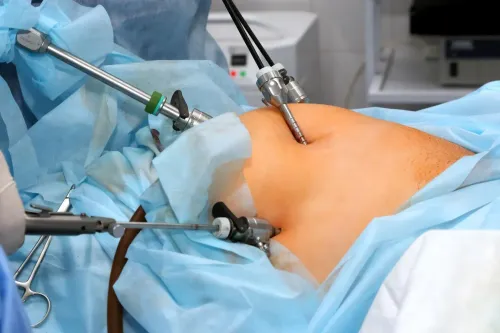
After gastrointestinal cancer surgery, follow-up is more than checking an incision: it connects recovery, pathology, nutrition, surveillance and further cancer treatment. You will learn how to assess the right surgeon, prepare for each review, recognise warning symptoms and coordinate care efficiently in Pune.
Key takeaways
- Choose a surgeon experienced with your cancer site and exact operation.
- Seek urgent care for heavy bleeding, breathing trouble, fever, or worsening abdominal pain.
- Ask how pathology findings change chemotherapy, radiation, or surveillance decisions.
- Bring operative notes, pathology reports, medication lists, and recent scan results.
How to choose the right surgeon for GI cancer follow-up
A bariatric surgeon is not automatically the right clinician for GI cancer follow-up. Bariatric surgery and oncologic GI surgery are different practice areas, so verify regular experience with your operation and cancer site before booking a bariatric surgeon in Pune GI cancer surgery followup.
| Procedure experience | Ask whether the surgeon regularly manages | Why it matters |
|---|---|---|
| Gastrectomy or esophagectomy | Stomach or oesophageal cancer surgery | Reconstruction, margins and nutrition require specific expertise |
| Pancreatic or liver resection | Pancreatic or hepatobiliary cancer surgery | Bleeding, bile leaks and intensive monitoring can complicate recovery |
| Colorectal resection | Colon or rectal cancer surgery | Lymph-node assessment, bowel function and stoma care affect follow-up |
Request a written plan recording the cancer site and stage, operation and date, final pathology, additional treatment and planned tests. Ask whether the surgeon coordinates with medical oncology, radiation oncology, radiology, pathology, dietetics, rehabilitation and palliative-care teams.
A tumour board and access to endoscopy, CT or MRI, interventional radiology, intensive care and pathology review matter when follow-up reveals recurrence or a complication.
If you have had sleeve gastrectomy, gastric bypass or another weight-loss operation, bring the operative report. Altered anatomy can change endoscopy access, nutrition, medication absorption and later surgery. For a bariatric surgeon Pune GI cancer followup consultation, ask:
- What margins and lymph-node assessment were achieved?
- How was tumour spillage avoided?
- When would open surgery be safer than laparoscopic or robotic surgery?
Laparoscopic or robotic describes the approach, not the adequacy of cancer control.
What happens after discharge and when symptoms need urgent care
The operating team sets the first review, usually soon after discharge, to check healing and whether recovery is moving forward. A gi cancer surgery followup pune appointment should assess more than a scan.
1. Bring your discharge summary, operation details and medication list. The review covers the wound, staples or sutures, drains, feeding tubes, bowel and bladder function, pain control, hydration, diet and weight. Ask when staples or sutures will be removed and who will manage each drain or feeding tube.
2. Record vomiting, bowel movements, gas, swallowing, temperature, wound redness or discharge, and pain by date and time. Mild fatigue, reduced appetite and changed bowel habits can occur after stomach, bowel, oesophageal, liver or pancreatic surgery. Symptoms that worsen instead of steadily improving need advice.
3. Call the surgical team urgently for fever with wound redness or discharge, increasing abdominal pain, persistent vomiting, abdominal swelling with inability to pass stool or gas, inability to swallow liquids, black or bloody stools, jaundice, breathlessness, sudden leg swelling or inability to pass urine.
These signs can indicate infection, bleeding, obstruction, anastomotic leakage, bile or pancreatic complications, or a blood clot.
4. Go to emergency care for severe breathlessness, collapse, heavy bleeding or rapidly worsening pain. Do not wait for a routine appointment; tell the surgeon, oncology team and emergency department about the recent operation.
How pathology determines the next treatment decision
The final pathology report, not a verbal summary, determines the next treatment discussion. Ask for a copy and check:
- Tumour type and grade
- Depth of invasion
- Resection margins
- Number of lymph nodes examined and number containing cancer
- Lymphovascular invasion and perineural invasion
- TNM stage
- Biomarker or molecular results relevant to the tumour
For colorectal cancer, ask whether mismatch-repair or microsatellite-instability testing was performed. For selected stomach or gastroesophageal cancers, ask about HER2 testing. Other tests may apply to the tumour type, so ask the pathologist or treating team what remains outstanding.
Surgical follow-up examines recovery: wound healing, drains or feeding tubes, nutrition, bowel or swallowing function, pain and postoperative complications. A gastrointestinal cancer surgeon in Pune should also explain the operation’s findings and coordinate the records with oncology.
Medical oncology uses the stage, pathology and your fitness to consider chemotherapy, immunotherapy or targeted therapy. Radiation oncology considers radiotherapy when the cancer site and recurrence risk justify it. Some patients need surveillance alone; others start adjuvant treatment after recovery begins.
For a GI cancer surgery follow-up in Pune, ask who will present your case at the multidisciplinary tumour board, who orders each test and when the decision is due. Request a written plan naming the operation and date, stage, pathology, treatment received, next review and symptoms requiring earlier contact.
“Return if needed” is not an adequate plan after major GI surgery.
Which tests and recovery checks belong in long-term surveillance
Surveillance has no universal calendar. The cancer site, TNM stage, operation, treatment and local guideline determine which review happens when, because a colorectal resection does not create the same risks as a gastrectomy or pancreatic operation.
After colorectal cancer treatment, follow-up commonly combines clinical review, carcinoembryonic antigen (CEA) testing, CT imaging and colonoscopy.
| Test | What it detects | Important limit |
|---|---|---|
| CEA blood test | A trend that may support recurrence assessment | Normal CEA does not exclude recurrence; raised CEA has non-cancer causes |
| CT scan | Recurrence or complications in the chest, abdomen and pelvis | It cannot replace colonoscopy |
| Colonoscopy | A new colorectal lesion, local recurrence or metachronous disease | It examines the bowel lining, not distant organs |
| MRI, upper GI endoscopy or other markers | Site-specific recurrence or treatment effects | Use depends on the diagnosis and guideline |
Routine blood counts can identify anaemia or other treatment effects. Stomach or gastroesophageal surgery also requires review of early satiety, dumping symptoms, weight loss, iron deficiency and vitamin B12 deficiency, especially after total gastrectomy. Small-bowel, pancreatic, liver and oesophageal operations create different nutrition, digestion, bile-flow or swallowing concerns.
Every review should ask about pain, incisional hernia, mood and functional recovery. Colorectal follow-up includes bowel frequency, urgency, continence, and urinary or sexual dysfunction.
When comparing a bariatric surgeon in Pune for GI cancer surgery followup, ask whether a gastrointestinal cancer surgeon Pune service gives a reason, timing and responsible clinician for every test rather than copying another patient’s schedule.
How to make a Pune follow-up appointment efficient
Bring one complete record set and send it before travelling. A clear symptom diary helps the team assess recovery between scans: record weight, food tolerance, bowel or swallowing changes, temperature, pain and wound observations.
1. Pack the discharge summary, operative note, final pathology report, imaging reports and imaging discs. Add your current medication list and glucose readings when relevant. Include the operative report for any earlier sleeve gastrectomy, gastric bypass or other bariatric procedure.
2. Follow the treating team’s requested dates and timeframes; do not replace them with a universal follow-up calendar. Email or upload every report beforehand, then confirm that the clinic can open the files and that the imaging centre can share its reports.
3. Ask whether the review must be in person. A teleconsultation may suit pathology discussion, medication review or imaging planning, but wound, drain, feeding-tube or urgent symptom checks need the format your team specifies.
4. Confirm whether blood tests or scans must be completed before the visit. Ask whether surgery, oncology, endoscopy and dietetic appointments can be grouped to avoid repeat travel.
When comparing a bariatric surgeon Pune GI cancer followup service, ask about the exact cancer operation managed and coordination with oncology, not the bariatric label alone. A gastrointestinal cancer surgeon Pune consultation should also clarify who orders tests and who reviews new symptoms.
Dr.Nikhil Jillawar 08048037739 may be considered for a surgical gastroenterology consultation in Baner; verify the pathway, records required and specialist links first.
Related service
GI Cancer Surgery in Pimpri Chinchwad, Pune GI Cancer Surgery in Pimpri Chinchwad, Pune GI Cancer Surgery in Pune – Dr. Nikhil Jillawar Dr. Nikhil Jillawar provides specialized surgical consultation and treatment for selected... View service → |
Frequently asked questions
How do you choose a surgeon for GI cancer follow-up in Pune?
Confirm regular experience with your cancer site and operation, then ask how the surgeon reviews pathology, complications, treatment planning, and surveillance.
Which symptoms need urgent care after GI cancer surgery?
Seek urgent medical care for heavy bleeding, breathing difficulty, severe or worsening abdominal pain, persistent vomiting, confusion, or a high fever.
How does pathology affect the next cancer treatment decision?
The pathology report identifies tumour type, stage-related features, margins, lymph-node involvement, and other findings that guide oncology recommendations.
What belongs in long-term GI cancer surveillance?
Your plan may include clinical examinations, blood tests, imaging, endoscopy, nutrition checks, and recurrence monitoring based on the cancer site and operation.
How can you make a Pune GI cancer follow-up appointment efficient?
Bring your discharge summary, operative and pathology reports, scan images and reports, medication list, symptom timeline, and written questions.