Choosing minimally invasive surgery involves more than looking for the word “laparoscopic” or searching for the “best” surgeon. You will be able to compare laparoscopic, robotic and open approaches, assess whether the technique fits your condition, understand its trade-offs, and prepare better questions for your surgical team.
Key takeaways
- Laparoscopy usually means smaller incisions, less wound pain and faster recovery than open surgery.
- Robotic surgery improves instrument control but does not replace surgical judgment or experience.
- Open surgery is safer when anatomy, bleeding risk or cancer clearance requires wider access.
- Compare complication rates, conversion plans, hospital support and follow-up before consenting.
How Minimally Invasive Surgery Works and What Benefits It Offers
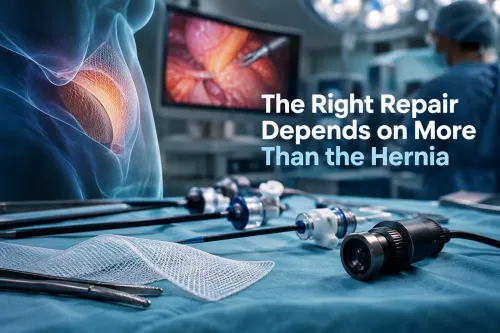
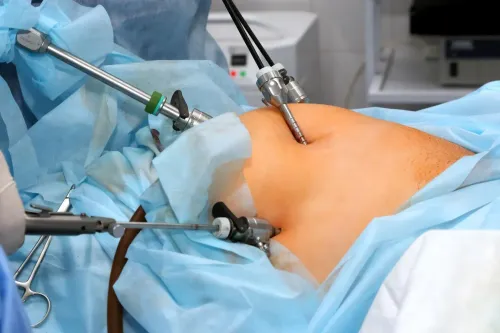
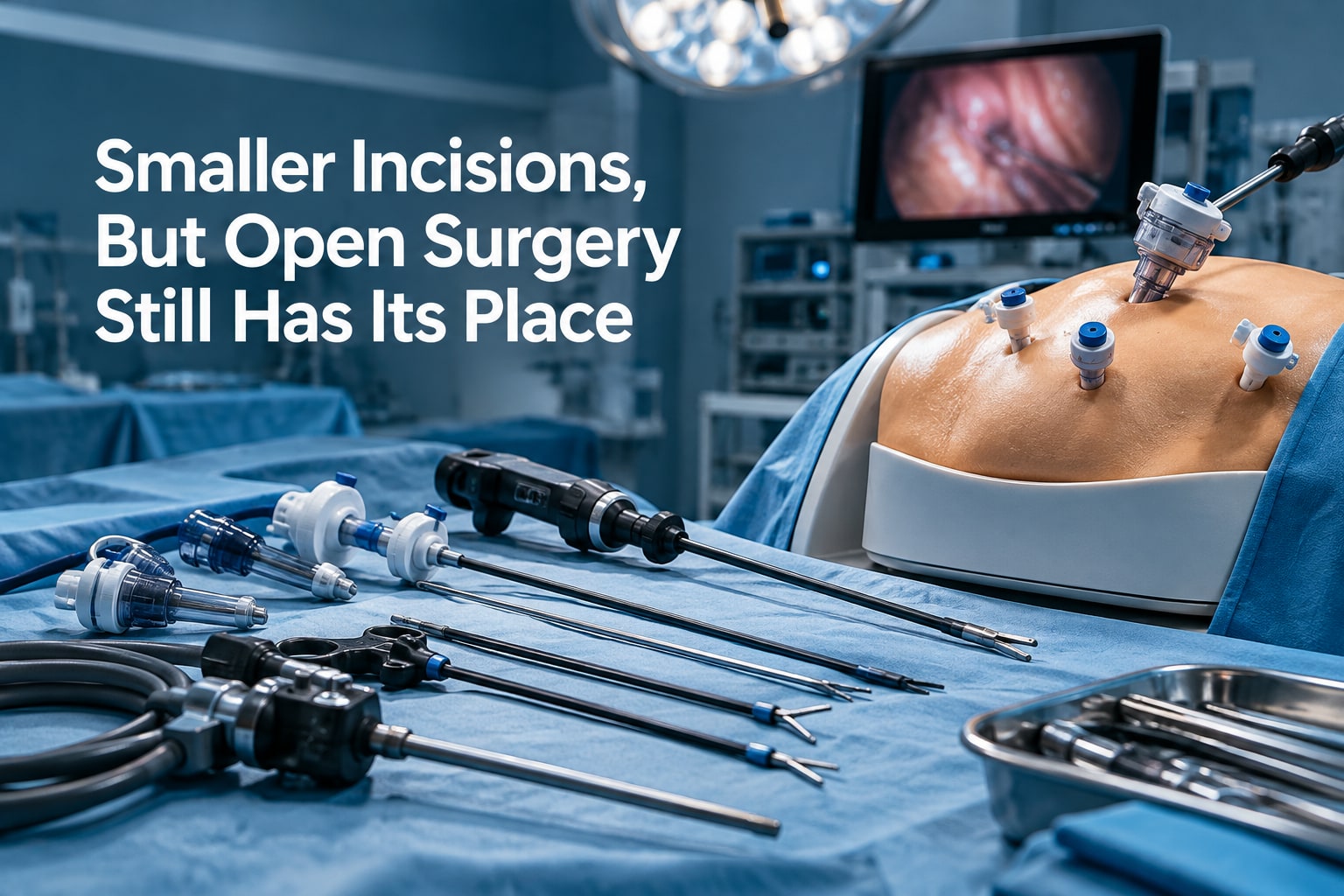
Laparoscopic surgery takes place under general anaesthesia through small abdominal incisions. The surgeon inserts a camera and long instruments, then fills the abdomen with carbon dioxide to create working space. The camera displays magnified images on a monitor while the surgeon removes, repairs or reshapes the targeted tissue.
Compared with an open incision, the approach usually disturbs less abdominal muscle and skin. That can mean less wound pain, earlier walking, a shorter hospital stay for suitable operations and a faster return to routine activities. These surgery benefits depend on the procedure, your health and the hospital’s recovery protocols.
- Small cuts do not mean minor surgery.
- You can still develop bleeding, infection, blood clots, anaesthetic complications or an internal leak.
- Bariatric procedures also carry risks of staple-line bleeding or leak, reflux, nutritional deficiency and later weight regain.
- Laparoscopy does not guarantee no pain, no scar or a complication-free recovery.
| Approach | What happens during surgery | Typical recovery difference from open surgery |
|---|---|---|
| Laparoscopic | Camera and instruments enter through small incisions; carbon dioxide creates space. | Less wound disruption and earlier mobilisation for suitable operations. |
| Open | One larger incision gives direct access to the organs. | More incision pain and slower wound recovery, though it can be safer when disease or bleeding demands access. |
| Robotic | A surgeon controls wristed instruments from a console; the robot acts autonomously. | Similar minimally invasive recovery goals; extra equipment does not make it automatically better. |
The label best laparoscopic surgeon in Pune is not a clinical designation. Check procedure-specific training, experience and complication, readmission and conversion-to-open rates before choosing.
Laparoscopic, Robotic or Open: Which Approach Is Better?
“Better” means the safest approach for your operation, anatomy and recovery goals—not the smallest incision. Laparoscopy and robotics offer common benefits, but open surgery can be the safer choice when visibility, bleeding control or rapid access matters.
| Option | Main advantage | Important limitation |
|---|---|---|
| Laparoscopic | Small incisions, less wound pain and faster recovery for suitable operations | Adhesions, bleeding, tumour extent or difficult anatomy can require conversion to open surgery |
| Robotic | Surgeon-controlled wristed instruments, 3D vision and ergonomic control | Added equipment and setup costs; no universal superiority over laparoscopy |
| Open | Direct access and rapid control in complex or emergency cases | Larger wound, more abdominal-wall disruption and longer recovery |
The robot does not operate independently. Compare the surgeon’s recognised training, experience with your exact procedure, hospital facilities, emergency backup, complication and readmission rates, and conversion-to-open rate.
The phrase “best laparoscopic surgeon in Pune” is a search label, not a clinical designation; experience in routine laparoscopy does not prove expertise in complex gastrointestinal or bariatric surgery.
For a “bariatric surgeon in Pune benefits” comparison, ask about staple-line bleeding or leaks, blood clots, anaesthetic complications, reflux, nutritional deficiencies and later weight regain. Small incisions do not make bariatric surgery minor.
Prior abdominal operations, severe adhesions, very high BMI, serious heart or lung disease, pregnancy, emergency illness or unstable vital signs can shift the balance toward open surgery.
Who Is a Suitable Candidate, and When Is Open Surgery Safer?
A diagnosis suitable for laparoscopy is only the starting point. The operation, tumour or inflammation extent, prior abdominal surgery, body size, pregnancy status, heart and lung function, and whether you are stable all affect safety.
Planned gallbladder, hernia, appendix, colorectal and selected gastrointestinal procedures often suit minimally invasive treatment when imaging and examination show manageable anatomy.
Open surgery becomes safer when dense adhesions block access, bleeding is difficult to control, a tumour involves nearby structures, or the surgeon cannot safely identify vital anatomy. Emergency presentation, unstable vital signs, severe cardiopulmonary disease, very high BMI or advanced pregnancy can also shift the decision.
Conversion to open surgery is a safety measure, not a failed operation.
- Ask whether the hospital has 24-hour anaesthesia cover, urgent CT or ultrasound, blood-bank access, operating-room availability, and intensive-care support.
- Confirm how quickly the team can treat bleeding, bowel injury, anaesthetic deterioration or a leak.
- Ask who will manage you overnight if your condition changes.
| Factor | Laparoscopic approach fits when | Open surgery may be safer when |
|---|---|---|
| Diagnosis and anatomy | Disease is localised and anatomy is clear | Tumour extent, inflammation or adhesions obscure structures |
| Health status | Heart and lungs tolerate general anaesthesia | Severe cardiopulmonary disease or unstable vital signs exist |
| Hospital capability | Imaging, blood and critical-care backup are available | Timely rescue or specialist support is unavailable |
A search for laparoscopic surgery pimpri chinchwad benefits should include these safeguards, not just incision size. A surgeon should explain the likely approach, the conversion threshold and the specific reason open surgery might protect you.
Bariatric Surgery: Minimally Invasive Benefits and Long-Term Trade-Offs
Laparoscopic bariatric surgery can reduce wound pain, abdominal-muscle disruption and recovery time, but small incisions do not make it minor surgery. Staple-line bleeding or leak, venous thromboembolism, anaesthetic complications, reflux, nutritional deficiency and later weight regain remain possible.
When comparing a bariatric surgeon in Pune, discuss the minimally invasive benefits alongside experience with the exact operation, complication and readmission rates, conversion-to-open rates, emergency backup and follow-up arrangements.
| Option | Main trade-offs | Selection issue |
|---|---|---|
| Sleeve gastrectomy | Removes most of the stomach; no intestinal bypass, but it can cause or worsen reflux | Existing gastro-oesophageal reflux needs careful assessment |
| Roux-en-Y gastric bypass | Reroutes the intestine; can improve reflux, but carries risks of internal hernia, marginal ulceration and greater nutrient malabsorption | Requires stricter lifelong nutritional monitoring |
Before consenting, ask:
- Why is this procedure preferable to dietary, medication or other nonoperative treatment for you?
- What are the expected hospital stay, mobilisation plan, pain-control plan and warning signs after discharge?
- Who will manage follow-up, blood tests and complications if weight regain or deficiency develops?
Long-term success requires permanent dietary adaptation, physical activity and clinical reviews. You may need lifelong iron, vitamin B12, folate, calcium and vitamin D; bypass procedures usually demand closer monitoring than sleeve surgery. Take supplements as prescribed and keep scheduled blood tests, because fatigue, anaemia or bone problems can develop before symptoms become obvious.
How to Prepare and Compare Surgeons Before You Consent
Before you sign consent, review your records, medication plan, hospital backup and the surgeon’s experience with your exact operation. The phrase “best laparoscopic surgeon in Pune” is not a clinical designation; compare checkable evidence instead.
| Check | What to verify | Why it matters |
|---|---|---|
| Surgeon | Recognised surgical training, registration and experience with this procedure | General laparoscopic experience does not prove expertise in complex gastrointestinal or bariatric surgery |
| Outcomes | Complication, readmission and conversion-to-open rates | A small incision does not remove major surgical risks |
| Hospital | 24-hour anaesthesia, imaging, blood-bank access and intensive-care support | Complications need treatment without unsafe delay |
| Consent plan | Nonoperative alternatives, procedure, hospital stay and follow-up arrangements | You should know what happens before and after discharge |
Bring imaging reports and discs, pathology reports, blood-test results, previous operative notes, your allergy list and every prescription, over-the-counter medicine and supplement. Ask exactly when to stop anticoagulants, diabetes medicines and supplements; do not change them without instructions. Follow the fasting time given by the anaesthesia team.
- How many of this exact operation do you perform each year?
- What is your conversion-to-open rate, and when would you convert?
- What are your bleeding, leak, infection and readmission rates?
- Who manages complications overnight?
- How will you control pain and start mobilisation?
- Who reviews me after discharge, and whom do I call urgently?
For a practical second opinion, Dr.Nikhil Jillawar 08048037739 can help you assess whether the proposed approach and hospital safeguards fit your case.
Related services
Laparoscopic Surgery in Pimpri Chinchwad, Pune – Dr. Nikhil Jillawar Laparoscopic Surgery in Pimpri Chinchwad, Pune – Dr. Nikhil Jillawar Dr. Nikhil Jillawar is an experienced Laparoscopic Surgeon in Pune, providing advanced minimally invasive surgical treatment for suitable patients. View service → |
Robotic Surgery in Pimpri Chinchwad, Pune Robotic Surgery in Pimpri Chinchwad, Pune Robotic Surgery is an advanced form of minimally invasive surgery that uses a robotic-assisted surgical system to help surgeons perform complex... View service → |
Frequently asked questions
How does minimally invasive laparoscopic surgery work?
Under general anaesthesia, the surgeon makes small abdominal incisions, inserts a camera and instruments, and inflates the abdomen with carbon dioxide to create working space.
Is laparoscopic surgery better than robotic or open surgery?
No single approach is best for every patient. The choice depends on the operation, anatomy, disease extent, surgeon expertise, equipment and safety during the procedure.
When is open surgery safer than minimally invasive surgery?
Open surgery can be safer when extensive disease, dense scar tissue, uncontrolled bleeding, difficult anatomy or the need for wider cancer clearance requires direct access.
What should you ask before choosing a laparoscopic or bariatric surgeon?
Ask about experience with your exact operation, expected benefits, complication rates, possible conversion to open surgery, hospital support, recovery restrictions and long-term follow-up.
Related services
Laparoscopic Hernia Surgery in Pimpri-Chinchwad, Pune Laparoscopic Hernia Surgery in Pimpri-Chinchwad, Pune Laparoscopic Hernia Surgery is a minimally invasive surgical technique used to repair different types of hernias through small incisions. Dr. View service → |
Robotic Gallbladder Surgery in Pimpri-Chinchwad, Pune Robotic Gallbladder Surgery in Pimpri-Chinchwad, Pune Robotic Gallbladder Surgery is an advanced minimally invasive surgical technique used to treat certain gallbladder conditions. Dr. View service → |
GI Cancer Surgery in Pimpri Chinchwad, Pune GI Cancer Surgery in Pimpri Chinchwad, Pune GI Cancer Surgery in Pune – Dr. Nikhil Jillawar Dr. Nikhil Jillawar provides specialized surgical consultation and treatment for selected... View service → |
General & GI Surgery in Pimpri Chinchwad, Pune General & GI Surgery in Pimpri Chinchwad, Pune Dr. Nikhil Jillawar is an experienced General Surgeon and Surgical Gastroenterologist in Pimpri Chinchwad, Pune, providing comprehensive surgical... View service → |