“Robotic gastric surgery” describes the equipment and operating method, not a single weight-loss operation. You need to identify the proposed procedure, confirm that you meet bariatric criteria, compare robotic and laparoscopic trade-offs, and verify the surgeon, team and hospital capabilities before choosing care in Pune.
Key takeaways
- Robotic assistance supports surgery; it does not replace the bariatric surgeon.
- Sleeve gastrectomy and gastric bypass suit different health profiles.
- Compare surgeon experience, hospital support and robot-specific safety protocols.
- Request a written assessment plan before scheduling robotic bariatric surgery.
What robotic gastric surgery specifications actually describe
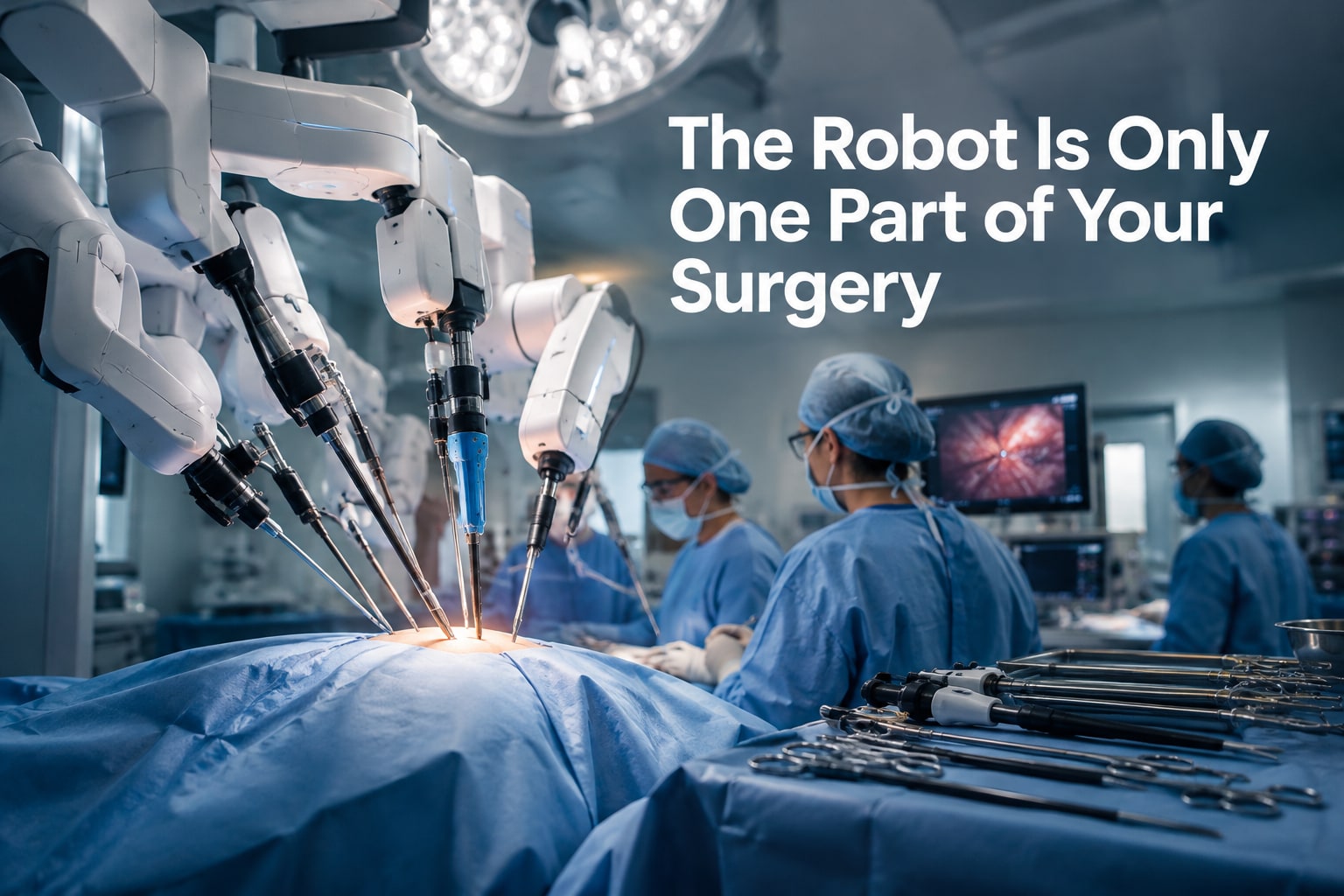
A robotic gastric surgery specification describes the tools, setup and surgeon-controlled functions used during an operation; it does not define a new type of surgery. Robotic assistance may support a sleeve gastrectomy or gastric bypass through ports, while the surgeon still performs and controls the critical steps.
The phrase “bariatric surgeon in pune robotic gastric surgery specs” should lead you to verify the actual procedure, diagnosis and team, not just the robot brand. Useful bariatric robotic surgery specs include:
- Surgeon console, where movements are controlled
- Patient-side cart that holds the camera and instruments
- Three-dimensional operative vision
- Articulated instruments that bend and rotate inside the abdomen
- Motion scaling and tremor reduction
- Port placement, docking access and bariatric-capable operating equipment
These features improve visualisation and instrument control in confined spaces. They do not make the procedure autonomous, replace surgical judgement or guarantee a shorter operation, fewer complications, weight loss or cure of diabetes and reflux.
Most systems do not give normal direct tactile feedback. The surgeon relies on the camera image, tissue movement and instrument resistance rather than feeling tissue directly with their hands. Robotic surgery also cannot prevent bleeding, leaks, anaesthetic problems or blood clots.
Ask who will perform the operation, what happens if the team converts to conventional laparoscopy or open surgery, and whether the hospital can manage urgent reoperation, intensive-care needs and long-term nutritional follow-up. The specification matters only when it matches the operation, surgeon and hospital capability.
Which bariatric operation fits your health profile?
BMI is a starting threshold, not an automatic operation selector. International ASMBS/IFSO guidance recommends surgery at BMI 35 or higher, considers it at 30–34.9 with metabolic disease such as type 2 diabetes, and supports selected cases without adequate nonsurgical improvement. Indian or Asian risk thresholds may alter that discussion.
| Operation | Health-profile clues | Main decision point |
|---|---|---|
| Sleeve gastrectomy | No significant reflux; preference for a procedure without intestinal bypass | Frequent grazing, sweets, or severe reflux can make sleeve a weaker fit |
| Roux-en-Y gastric bypass | Reflux, type 2 diabetes, or a need for stronger metabolic and acid-reducing effects | Requires lifelong vitamin, mineral and protein monitoring |
| One-anastomosis gastric bypass | Obesity with metabolic disease when substantial weight and diabetes improvement is needed | Discuss bile reflux, nutritional deficiency, medication absorption and follow-up |
| Revision surgery | Weight regain, inadequate loss, leak, stricture, reflux or another complication after previous bariatric surgery | The existing anatomy, prior operation and scar tissue determine the repair or conversion |
Eating speed, liquid calories, night eating, binge episodes and grazing matter because surgery cannot remove these drivers. Complete structured diet, activity, medication and behavioural treatment history, including previous bariatric procedures.
Previous abdominal surgery does not automatically exclude you, but adhesions and altered anatomy can change the operation, risk and access route. Ask what evidence supports the proposed procedure—not merely the label robotic gastric surgery Pune—and whether your surgeon personally performs the exact primary or revisional operation.
Robotic assistance versus conventional laparoscopy
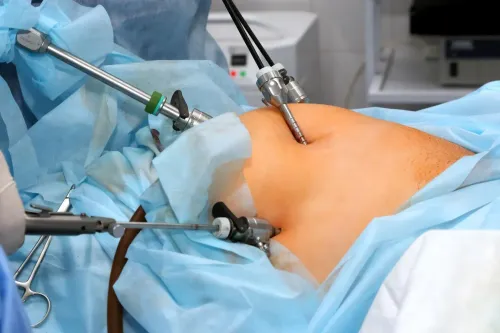
Robotic assistance uses the same small port incisions as laparoscopy, but the surgeon operates from a console through a patient-side cart. Articulated instruments and a three-dimensional view improve wrist-like movement and visualisation; the robot does not make decisions or operate independently.
| Factor | Robotic bariatric surgery | Standard laparoscopy |
|---|---|---|
| Operating time | May take longer because of docking and setup, especially early in a program | Often shorter for routine cases |
| Hospital stay | Usually similar when recovery is uncomplicated | Usually similar |
| Pain and recovery | Port-related pain and mobilisation are broadly comparable | Port-related pain and mobilisation are broadly comparable |
| Complications | Leak, bleeding, clots, infection and readmission still depend on the operation and surgeon | The same risks apply |
| Cost | Usually higher because of equipment and operating-room time | Usually lower |
| Evidence | Similar major outcomes in most primary cases; clearer value remains uncertain | Established results for routine operations |
A robot can help with difficult exposure, very high BMI, dense adhesions or revisional surgery, but published comparisons do not prove automatic safety or superior weight loss. Ask a robotic gastric surgery pune provider for operation-specific leak, bleeding, conversion, reoperation and 30-day readmission figures, not the hospital’s total robot count.
Confirm the diagnosis and exact procedure behind the phrase bariatric robotic surgery specs.
After sleeve gastrectomy, you retain an altered stomach and need lifelong portion control, supplements and monitoring; reflux can worsen. Roux-en-Y bypass adds an intestinal connection, often improves reflux and diabetes, but demands stricter nutritional follow-up and introduces risks such as internal hernia and vitamin deficiencies.
The assessment and preparation pathway before surgery
1. At the first consultation, the surgeon confirms whether you need sleeve gastrectomy, Roux-en-Y gastric bypass, one-anastomosis gastric bypass or revision surgery. Review reflux, diabetes, eating patterns, previous abdominal operations, medicines and prior weight-management attempts.
2. Record BMI and waist-related metabolic risk, not weight alone. International guidance recommends surgery at BMI 35 kg/m² or higher regardless of comorbidity, and consideration at BMI 30–34.9 kg/m² with metabolic disease; Indian and Asian thresholds require individual interpretation.
3. Blood tests commonly include complete blood count, glucose or HbA1c, liver and kidney panels, lipid profile, iron studies, vitamin B12, folate, vitamin D, calcium and thyroid testing. Arrange ultrasound, endoscopy or an upper gastrointestinal contrast study when reflux, ulcer symptoms, hiatal hernia, anaemia, vomiting or previous gastric surgery warrants it.
4. Anaesthesia review checks airway, sleep apnoea, heart and lung risk, clot risk and medication instructions. A dietitian sets protein, portion, vitamin and postoperative diet targets; psychological assessment examines binge eating, substance use, depression, expectations and capacity for lifelong follow-up.
5. Consent must cover bleeding, leaks, clots, strictures, nutritional deficiency, conversion to laparoscopy or open surgery, and possible reoperation. Prehabilitation means stopping tobacco, improving walking and strength, treating sleep apnoea, and practising the prescribed diet.
For a bariatric surgeon in Pune, robotic gastric surgery specs matter less than safe case selection. Robotic assistance is the wrong choice when urgent instability, unsafe pneumoperitoneum, unavailable backup or no clear technical benefit makes conventional laparoscopy or open surgery safer.
How to verify a Pune surgeon, robot and bariatric hospital
Verify the surgeon, not just the machine. A search for robotic surgery specialist Pune is only a starting point: confirm the surgeon’s medical registration, bariatric training, hospital privileges and personal experience with sleeve gastrectomy, Roux-en-Y bypass, one-anastomosis bypass and revision surgery. For robotic gastric surgery Pune, also confirm the diagnosis and exact operation.
Ask for these records and answers:
- The surgeon’s personal case volume and separate results for primary and revisional operations.
- Rates of leak, bleeding, readmission, reoperation, conversion to open surgery and 30-day mortality.
- The percentage of patients completing long-term nutritional and weight follow-up.
- The robot’s manufacturer and model, three-dimensional camera, articulated bariatric instruments, port access and docking plan.
- A functioning laparoscopic setup and a surgeon able to continue laparoscopically or convert to open surgery.
- Bariatric-rated operating tables, difficult-airway equipment, venous-thromboembolism prevention and trained anaesthesia staff.
- 24-hour ICU access, blood-bank support, imaging, endoscopy and urgent reoperation capability.
- A written plan for lifelong dietitian review, vitamin and mineral testing, medication review and management of complications.
| Check | Ask specifically | What it protects you from |
|---|---|---|
| Robot | Model and bariatric instrument availability | Assuming every robot handles every operation |
| Results | Exact procedure, dates and denominators | Relying on hospital-wide robotic totals |
| Emergency care | ICU, blood, imaging and reoperation access | Transfer delays after bleeding or a leak |
| Follow-up | Named team and testing schedule | Losing care after discharge |
Dr.Nikhil Jillawar 08048037739 can be included in your comparison only after you verify these operation-specific details directly.
Frequently asked questions
What do robotic gastric surgery specifications describe?
They describe the robotic system, instruments, port arrangement, surgeon controls and operating-room setup. They do not define a separate operation.
Which bariatric operation might fit my health profile?
Sleeve gastrectomy and gastric bypass have different effects and risks. Your surgeon should assess weight history, reflux, diabetes, medications and previous abdominal surgery before recommending one.
How does robotic assistance differ from conventional laparoscopy?
Both use small abdominal ports. Robotic systems provide wristed instruments, magnified views and surgeon-controlled motion, while conventional laparoscopy uses rigid instruments controlled directly through the ports.
What happens before robotic bariatric surgery?
The pathway can include medical, nutritional and psychological assessment, blood tests, anaesthesia review, medication planning and instructions for diet, exercise and post-operative follow-up.
How can I verify a Pune bariatric surgeon and hospital?
Check the surgeon’s registration and bariatric experience, ask which robotic system and operation are planned, and confirm that the hospital provides anaesthesia, emergency care, intensive monitoring and follow-up.