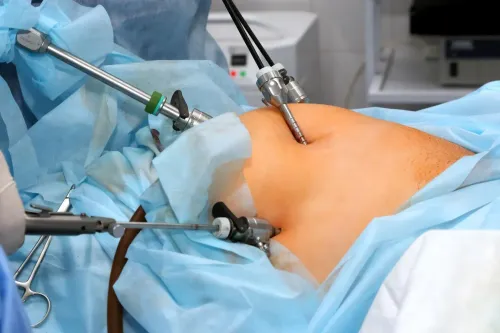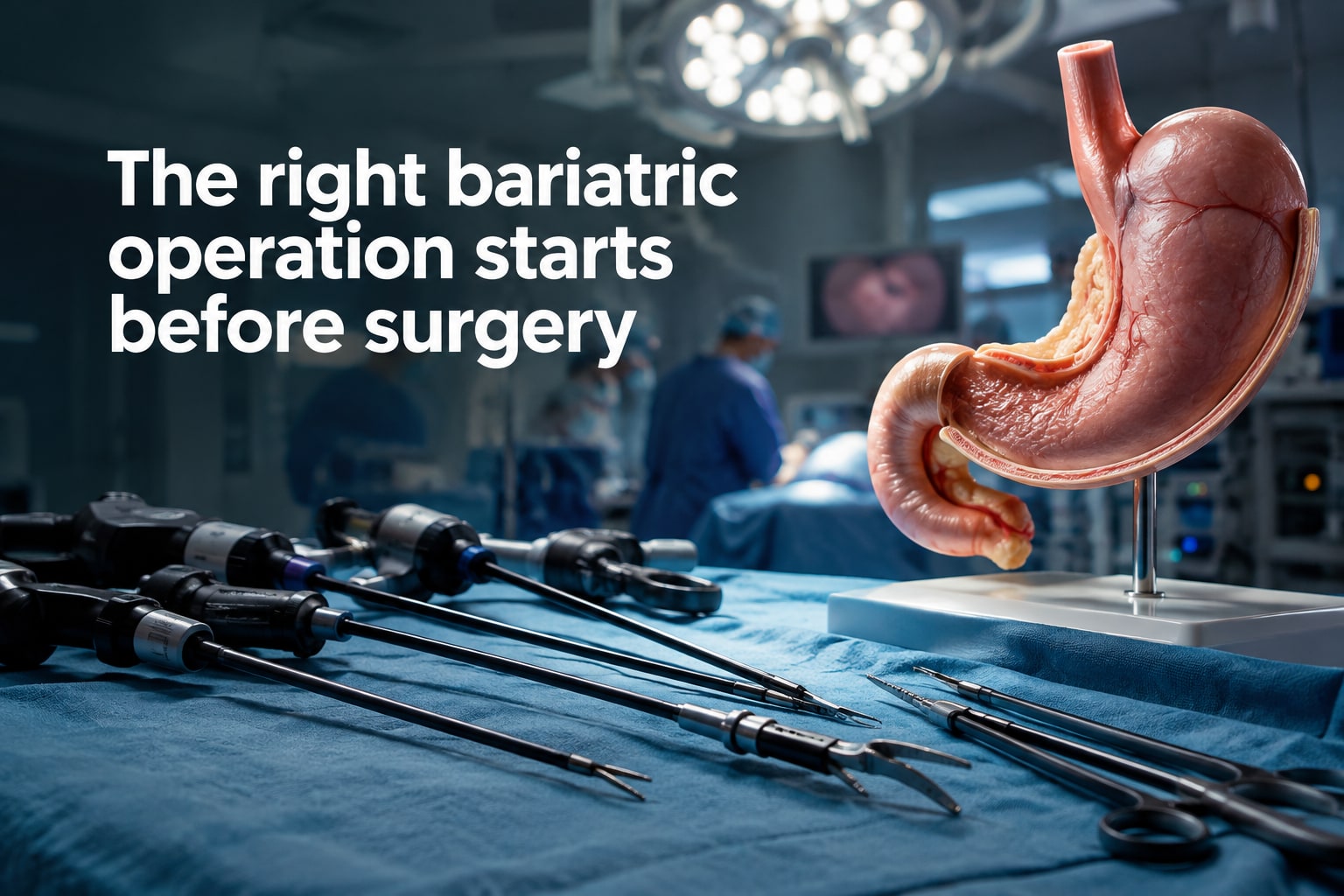
Choosing bariatric surgery requires more than finding a surgeon who operates through small incisions. You need to match the operation to your health conditions, understand the testing and recovery involved, and verify that the Pune hospital offers follow-up for nutrition, complications and long-term weight management.
Key takeaways
- Eligibility depends on BMI, health conditions, previous treatments and a multidisciplinary assessment.
- Sleeve surgery reduces stomach capacity; gastric bypass also changes nutrient absorption and digestion.
- Ask about leaks, bleeding, clots, deficiencies, reflux and the programme’s emergency arrangements.
- Plan lifelong supplements, protein-focused meals, follow-up visits and Pune travel logistics.
What does a bariatric surgeon treat, and which operations are available?
A bariatric surgeon treats severe obesity and health problems worsened by excess weight, using surgery that changes stomach capacity, digestion, or both. Relevant laparoscopic surgery conditions include:
- Obesity-related type 2 diabetes
- Hypertension
- Obstructive sleep apnoea
- Fatty liver disease
- Gastroesophageal reflux disease
- Weight-bearing joint problems
| Operation | What it changes | Key point |
|---|---|---|
| Sleeve gastrectomy | Removes much of the stomach, leaving a narrow sleeve | No intestinal bypass; reflux can worsen or persist |
| Roux-en-Y gastric bypass | Creates a small stomach pouch and reroutes part of the small intestine | One stomach-intestine connection and stronger metabolic effects for some patients |
| One-anastomosis gastric bypass | Creates a stomach pouch with one connection to the intestine | Requires careful discussion of reflux and nutrient absorption |
| Revisional surgery | Corrects complications, inadequate weight loss, or weight regain after a previous procedure | Requires review of the original operation and current anatomy |
A bariatric operation is medical treatment, not cosmetic surgery. It is different from general laparoscopic surgery, robotic surgery, ulcer repair, reflux surgery, or stomach cancer surgery. Laparoscopic access does not remove risk, and robotic assistance is not automatically better for every patient.
Searches for bariatric surgeon in pune laparoscopic surgery conditions or bariatric surgeon pune laparoscopic surgery can therefore describe different treatments. The phrase gastric surgery Pune is equally broad, so ask which condition and operation the consultation concerns.
Who qualifies for bariatric surgery, and how is suitability assessed?
BMI identifies who should discuss bariatric surgery, but it does not decide suitability alone. Discuss surgery at a BMI of 40 or higher, or 35 or higher with type 2 diabetes, high blood pressure, sleep apnoea or fatty liver disease.
BMI 30 to 34.9 can qualify under specialist guidance when metabolic disease remains difficult to control and local clinical criteria are met.
The assessment should document:
- Height, weight, BMI, waist measurement and weight history
- Previous supervised diet and weight-loss medication attempts
- Diabetes control, blood pressure, sleep-apnoea symptoms, liver health, heart and lung fitness
- Nutritional markers, current medicines and previous abdominal operations
- Blood glucose or HbA1c, blood count, liver and kidney tests, iron, vitamin B12, folate, vitamin D and an electrocardiogram, selected according to your history
- Eating patterns and protein needs, reviewed by a dietitian
- Readiness, untreated binge-eating disorder, depression, substance use and ability to attend lifelong appointments, assessed by a psychologist or psychiatrist
Pregnancy, unstable heart or lung disease, uncontrolled substance use, untreated eating disorders or inability to attend follow-up can postpone surgery. Bring previous reports, a complete medicine list, weight records, sleep studies and details of earlier programmes.
Search terms such as bariatric surgeon in pune laparoscopic surgery conditions and laparoscopic surgery conditions pune should lead you to a team that performs this full assessment, not one that uses BMI as the only decision.
How do sleeve and bypass surgery differ before, during and after the operation?
Sleeve gastrectomy keeps food moving through the usual stomach and intestine; bypass changes that route. The choice affects reflux, diabetes, nutrition and follow-up, not just the size of your stomach.
| Option | Before and during surgery | Main effects and trade-offs |
|---|---|---|
| Sleeve gastrectomy | Medical review, blood tests, nutritional correction, anaesthesia assessment and, when prescribed, a short liver-shrinking diet. Laparoscopic surgery uses several small upper-abdominal openings for a camera and instruments; number and position vary with the operation and your body habitus. | Removes much of the stomach without intestinal bypass. It usually has a simpler digestive route, but reflux can worsen or remain unresolved. |
| Roux-en-Y gastric bypass | Creates a small stomach pouch and reroutes part of the small intestine through two connections. | Often produces stronger metabolic effects and improves type 2 diabetes and reflux more effectively. Vitamin absorption, ulcers, bowel obstruction and dumping symptoms require closer attention. |
| One-anastomosis gastric bypass | Creates a pouch with one intestinal connection. | Can provide strong metabolic effects, but nutrition monitoring and discussion of bile reflux, ulcers and obstruction remain important. |
Both operations require lifelong protein intake, prescribed vitamin and mineral supplements, blood tests and weight monitoring. Hospital stay depends on recovery and local protocol. Early care includes nausea and pain control, breathing exercises, clot prevention and walking on the day of surgery or soon after.
Your diet usually advances from clear, sugar-free fluids to full liquids, purées, soft foods and regular textures under staged instructions. Ask for your protein, fluid and supplement targets, plus medicine instructions. Arrange home help, avoid lifting until cleared and plan work leave around recovery advice.
These questions matter when comparing a bariatric surgeon pune laparoscopic surgery pathway or laparoscopic surgery conditions pune referral.
What risks and warning signs should you discuss before choosing a Pune programme?
Ask how the programme records bleeding, infection, blood clots, staple-line or anastomotic leaks, ulcers, bowel obstruction, gallstones, reflux, nutritional deficiencies and weight regain. Your risk changes with BMI, diabetes, sleep apnoea, previous surgery, medicines and the operation selected.
After discharge, seek urgent medical advice for:
- Severe abdominal pain, persistent vomiting, fever, breathlessness, black stools, fainting or inability to keep fluids down.
- Contact the surgical team immediately. Use emergency services for severe breathing difficulty, collapse or rapidly worsening symptoms; do not wait for a routine appointment.
Before booking, request the surgeon’s bariatric case volume, procedure-specific complication and leak rates, outcome-audit method, hospital accreditation, 24-hour emergency access and arrangements for intensive care, endoscopy and reoperation. Confirm access to anaesthesia, dietetics, psychology and medical specialists for diabetes or sleep apnoea.
| Compare | Ask directly | Why it matters |
|---|---|---|
| General gastrointestinal or laparoscopic consultation | Is bariatric surgery performed, and who provides the full pathway? | A laparoscopic consultation is not automatically a bariatric programme. |
| Bariatric programme | Which operation, complication rates and follow-up plan apply to me? | Sleeve and bypass risks differ. |
| Full financial plan | Is the written quote covering surgeon, anaesthesia, hospital, tests, medicines, supplements, complication care and revision procedures? | A low package price can exclude later care. |
For searches such as “bariatric surgeon in pune laparoscopic surgery conditions” or “bariatric surgeon pune laparoscopic surgery,” Dr.Nikhil Jillawar 08048037739 can clarify whether the practice currently offers bariatric evaluation; do not assume a general gastrointestinal consultation includes the full programme.
Related services
Laparoscopic Surgery in Pimpri Chinchwad, Pune – Dr. Nikhil Jillawar Laparoscopic Surgery in Pimpri Chinchwad, Pune – Dr. Nikhil Jillawar Dr. Nikhil Jillawar is an experienced Laparoscopic Surgeon in Pune, providing advanced minimally invasive surgical treatment for suitable patients. View service → |
Robotic Surgery in Pimpri Chinchwad, Pune Robotic Surgery in Pimpri Chinchwad, Pune Robotic Surgery is an advanced form of minimally invasive surgery that uses a robotic-assisted surgical system to help surgeons perform complex... View service → |
What long-term commitments and Pune arrangements should you plan?
Bariatric surgery does not remove the need for diet, activity or monitoring. Follow your prescribed protein and fluid goals, take the named multivitamin plus required iron, calcium, vitamin D or vitamin B12, and complete every scheduled blood test.
Protect muscle and weight maintenance by:
- Increasing walking gradually after surgery.
- Adding resistance exercise after clearance.
- Discussing contraception and pregnancy plans with the bariatric team.
- Postponing pregnancy during rapid weight loss; supplements and monitoring need adjustment before conception.
Long-term reviews track weight trajectory, reflux, diabetes, blood pressure, anaemia, bone health and eating tolerance.
Weight regain needs assessment, not blame. Possible causes include grazing, medication effects, untreated mental-health problems, anatomical change or inadequate follow-up; revision is not automatic.
| Situation | Planning point | Possible consequence |
|---|---|---|
| Unstable medical disease | Stabilise it first | Surgery may be postponed |
| Impossible follow-up | Arrange reliable care | Laparoscopic surgery may be unsuitable |
| Current pregnancy | Defer treatment | Nutritional demands take priority |
| Complex anatomy | Review scans and prior operations | Open or staged treatment may be safer |
For a Pune referral, ask how many visits and tests come before surgery, whether you must stay near the hospital, who takes you home and who handles after-hours problems. Ask about weight-loss goals, diabetes and reflux outcomes, meal tolerance, supplements, complications, follow-up frequency and revision options.
Compare total time, travel and support needs, not just package price. A search for bariatric surgeon Pune laparoscopic surgery or gastric surgery Pune should lead to these practical questions.
Frequently asked questions
What does a bariatric surgeon treat, and which operations are available?
A bariatric surgeon treats severe obesity and related conditions such as type 2 diabetes, hypertension, sleep apnoea and fatty liver disease. Common operations include laparoscopic sleeve gastrectomy, Roux-en-Y gastric bypass and one-anastomosis gastric bypass. The appropriate procedure depends on your health, eating pattern, reflux history and surgical assessment.
Who qualifies for bariatric surgery, and how is suitability assessed?
Suitability is assessed using BMI, obesity-related disease, previous weight-management efforts, medication history, nutritional status and psychological readiness. The evaluation can include blood tests, anaesthesia review, nutrition counselling, sleep-apnoea assessment and checks for reflux or other gastrointestinal disease. Your surgeon should explain the expected benefits and alternatives rather than relying on BMI alone.
How do sleeve and bypass surgery differ before, during and after the operation?
Sleeve gastrectomy removes most of the stomach and leaves a narrow tube, while gastric bypass creates a small stomach pouch and reroutes part of the small intestine. Bypass usually has a stronger effect on reflux and blood sugar but involves more altered digestion and deficiency monitoring. Both require preoperative preparation, gradual diet progression, protein intake, activity and long-term follow-up.
What risks and warning signs should you discuss before choosing a Pune programme?
Discuss bleeding, infection, blood clots, anaesthesia problems, leaks, narrowing, reflux, ulcers, gallstones, nutritional deficiencies and the possibility of further treatment. After surgery, seek urgent medical advice for severe or worsening abdominal pain, persistent vomiting, fever, rapid heartbeat, breathlessness, black stools or inability to drink.
What long-term commitments and Pune arrangements should you plan?
Plan lifelong clinical follow-up, prescribed vitamin and mineral supplements, protein-focused meals, hydration, activity and periodic blood tests. Before booking in Pune, confirm the hospital location, admission and discharge process, surgeon access after discharge, emergency contact, laboratory facilities and how follow-up will work if you live outside the city.
Related services
General & GI Surgery in Pimpri Chinchwad, Pune General & GI Surgery in Pimpri Chinchwad, Pune Dr. Nikhil Jillawar is an experienced General Surgeon and Surgical Gastroenterologist in Pimpri Chinchwad, Pune, providing comprehensive surgical... View service → |
Laparoscopic Hernia Surgery in Pimpri-Chinchwad, Pune Laparoscopic Hernia Surgery in Pimpri-Chinchwad, Pune Laparoscopic Hernia Surgery is a minimally invasive surgical technique used to repair different types of hernias through small incisions. Dr. View service → |
GI Cancer Surgery in Pimpri Chinchwad, Pune GI Cancer Surgery in Pimpri Chinchwad, Pune GI Cancer Surgery in Pune – Dr. Nikhil Jillawar Dr. Nikhil Jillawar provides specialized surgical consultation and treatment for selected... View service → |
Robotic Gallbladder Surgery in Pimpri-Chinchwad, Pune Robotic Gallbladder Surgery in Pimpri-Chinchwad, Pune Robotic Gallbladder Surgery is an advanced minimally invasive surgical technique used to treat certain gallbladder conditions. Dr. View service → |